January
The quietest month of the year. Wet and cool; snow is rare on the coast. Anchovy season.
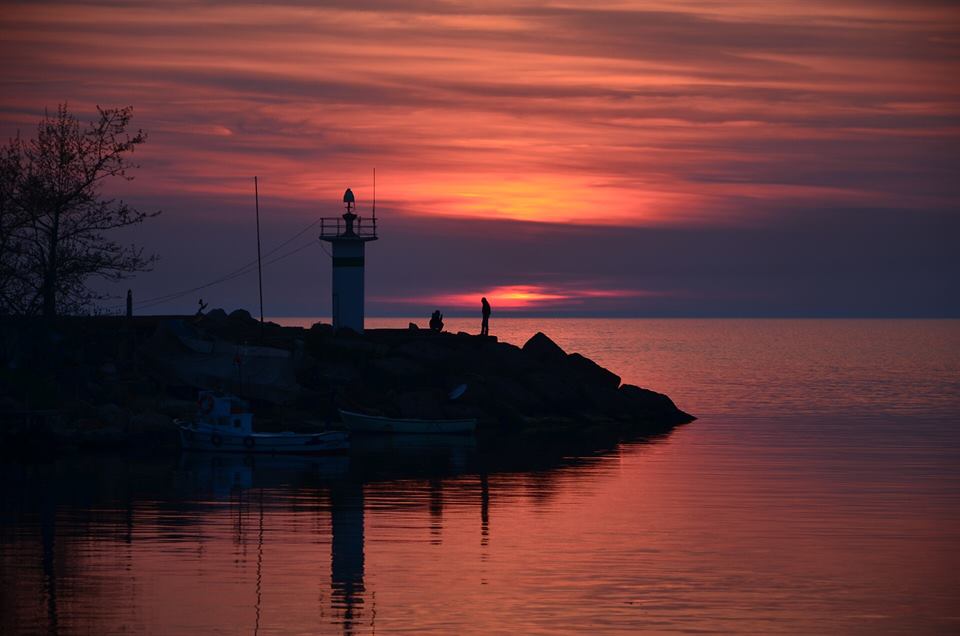
Photo: Ahmet KAYNARPUNAR · CC BY-SA 3.0
The sea, nature, the hazelnut harvest or fish season: month by month, what the weather is like in Akçakoca, what to do and what events are on.
Short answer: July and August for the sea, late June and September for a beach holiday away from the crowds, April and May for waterfalls and hiking, October for autumn colours. You can visit Akçakoca in any season; just choose the month by what you are looking for.
The quietest month of the year. Wet and cool; snow is rare on the coast. Anchovy season.
Cool and wet. Anchovies continue. The town is quiet and finding a room is easy.
Spring begins and the streams and waterfalls swell. In some years an anchovy festival is held.
Nature turns green; the waterfalls are at their fullest. A good month for the nature route.
Wild strawberry season. Hıdrellez is celebrated in the villages on 6 May. The north-westerly wind blows; the sea is still cold.
Chestnut honey time. The swimming season opens towards the end of the month. The Blue Flags are announced.
The height of the swimming season. Cabotage Day races are held on 1 July and the Culture, Tourism and Hazelnut Festival during the month; the municipality announces the dates.
The hottest month of the year. The hazelnut harvest begins at the end of the month; blackberry season. Very crowded at weekends.
The fishing season opens on 1 September and bonito arrives. The sea is still warm and the crowds thin out; the hazelnut harvest continues.
Forest colours and chestnut season. Rain increases. Lovely for a quiet weekend.
Autumn colours and fish season. Cool and wet.
The wettest month of the year. Anchovy season begins; the town is quiet.
Temperatures are average highs / lows (1991–2020). Event dates can change every year; Akçakoca Municipality announces the exact dates.
Coming outside the swimming season? The Akçakoca in Winter route brings together the harbour, anchovies and waves seen from the castle; the rainy-day route combines a mosque, a cave and a museum.
| Month | Avg. high | Avg. low | Average | Rainfall | Rainy days |
|---|---|---|---|---|---|
| January | 8 °C | 3 °C | 5,1 °C | 111 mm | 14 |
| February | 8 °C | 2 °C | 5,3 °C | 97 mm | 14 |
| March | 10 °C | 5 °C | 7,6 °C | 101 mm | 14 |
| April | 14 °C | 8 °C | 11,2 °C | 73 mm | 11 |
| May | 18 °C | 13 °C | 15,9 °C | 75 mm | 10 |
| June | 23 °C | 17 °C | 20,3 °C | 75 mm | 9 |
| July | 25 °C | 20 °C | 22,7 °C | 50 mm | 7 |
| August | 26 °C | 20 °C | 23,2 °C | 66 mm | 7 |
| September | 22 °C | 17 °C | 20 °C | 86 mm | 9 |
| October | 19 °C | 14 °C | 16,1 °C | 117 mm | 12 |
| November | 14 °C | 9 °C | 11,3 °C | 99 mm | 11 |
| December | 10 °C | 5 °C | 7,4 °C | 124 mm | 14 |
Source: Open-Meteo Historical Weather API (ERA5 / ERA5-Land reanalysis), 1991–2020 (Open-Meteo, CC BY 4.0). Reanalysis data are not station measurements and may differ slightly from the Turkish State Meteorological Service's station values. "Rainy day": a day with at least 1 mm of rain.
In Akçakoca the south-westerly lodos blows in winter, the north-westerly karayel in May and June, and the north-easterly poyraz from July to September. The summer poyraz is refreshing, but on days when it picks up it can make the sea rough; before swimming, check the sea conditions and the lifeguard's flag.
If you are planning a trip soon, check the 16-day weather forecast.
The swimming season runs from late June to late September. The warmest months are July and August.
Yes, September is within the swimming season and the crowds thin out. Before swimming, check the waves and the lifeguard's flag.
According to the 1991–2020 averages, December is the wettest month, with an average of 124 mm of rain.
The hazelnut harvest takes place from late August into September.
By car, take the TEM or D100 to the Düzce exit and drive about 37 km north; you can also come along the coast road (D010) via Ereğli or Karasu. Many bus companies run direct services to Akçakoca; there is no train.
Transport details →