Düzce's Black Sea coast
From the slopes of the Genoese Castle to waterfalls, from nail-free wooden mosques to mancarlı pide: discover the small Black Sea town halfway between Istanbul and Ankara.
Photo: Necdet Tunçer · CC BY-SA 3.0
Weather and sea: Open-Meteo (model forecast) · Pharmacy: Akçakoca office of the Chamber of Pharmacists
Never heard of Akçakoca?
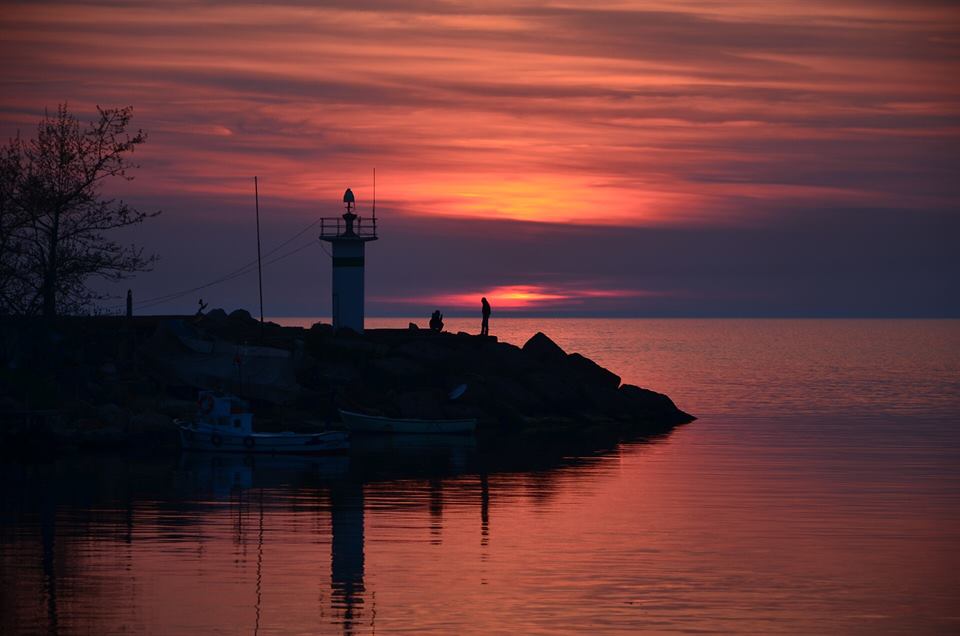
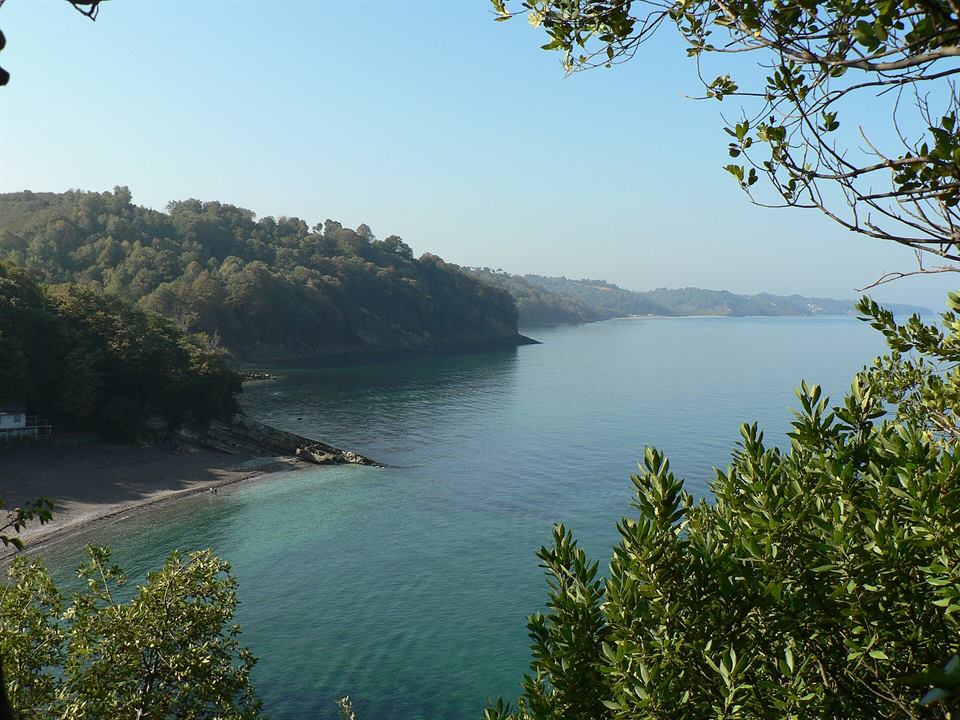
Akçakoca is Düzce province's only district on the Black Sea coast. It is about three hours from both Istanbul and Ankara and is known for its 38 km of coastline, green hillsides covered in hazelnut orchards, and its sunsets.
In antiquity it was a port town called Diapolis. Today it is a small but multicultural town with the Genoese Castle, nail-free wooden mosques, the bay-windowed houses of Yukarı Mahalle, and Manav, Hemshin, Circassian, Abkhaz and Laz villages. In the 1950s, before the Aegean and Mediterranean had been discovered, it was one of the first places in Turkey where seaside tourism began.
Explore
A castle, waterfalls, a cave, a canyon and century-old wooden mosques. We have put together the location of 15 places, directions and what you need to know before you go.

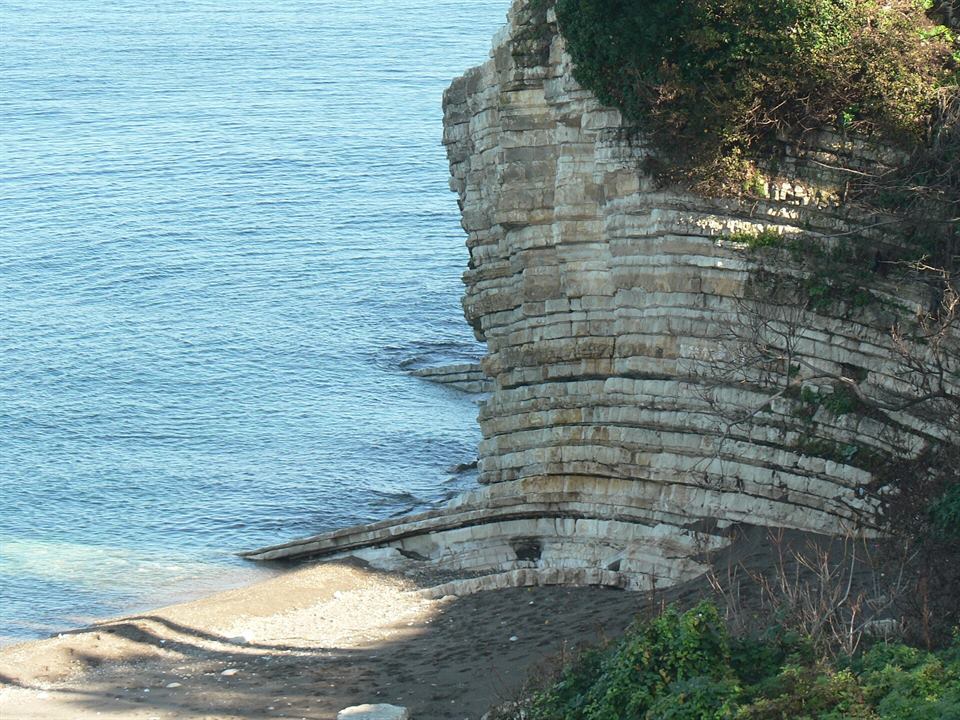
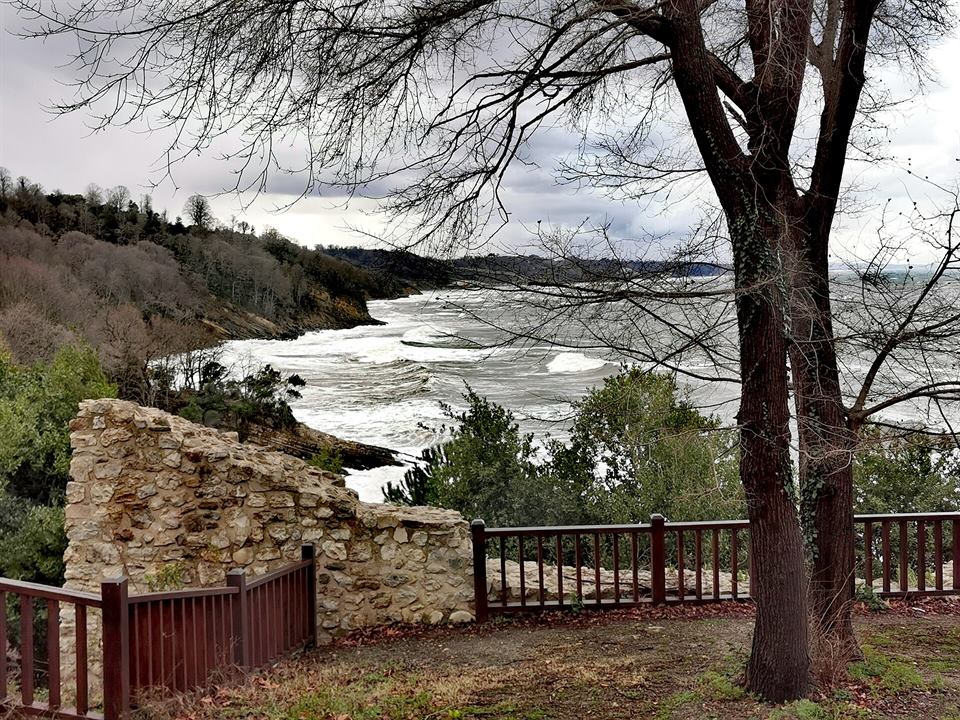
A historic castle on a cliff jutting into the sea between two coves, the symbol of Akçakoca.

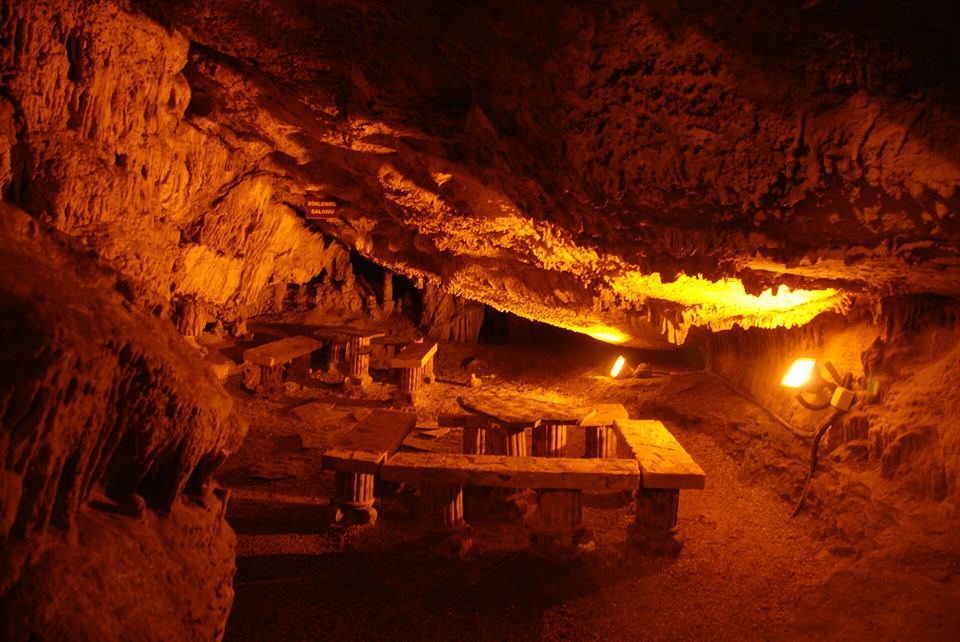
350 m of the 1,017 m cave is lit; stalactites, stalagmites and dripstone "white rooms".

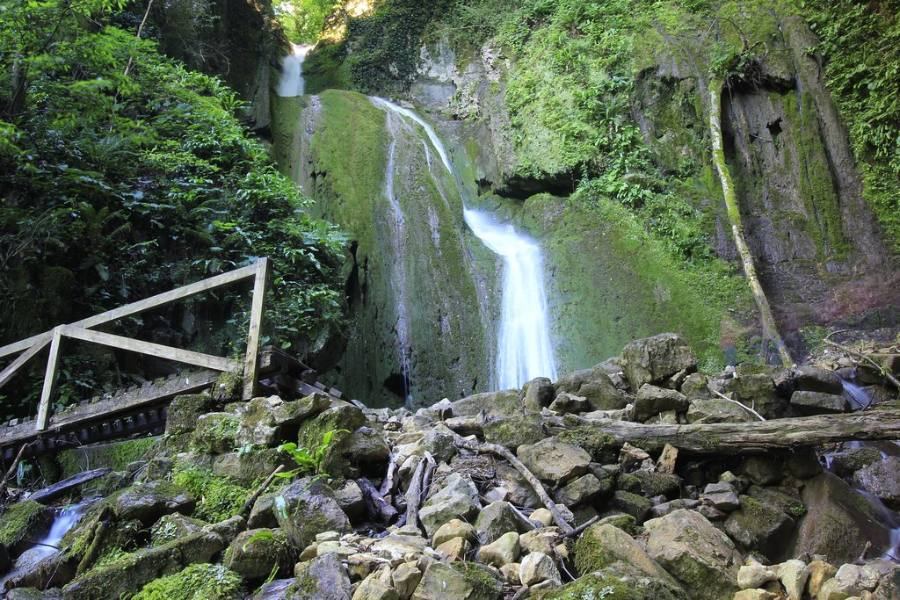
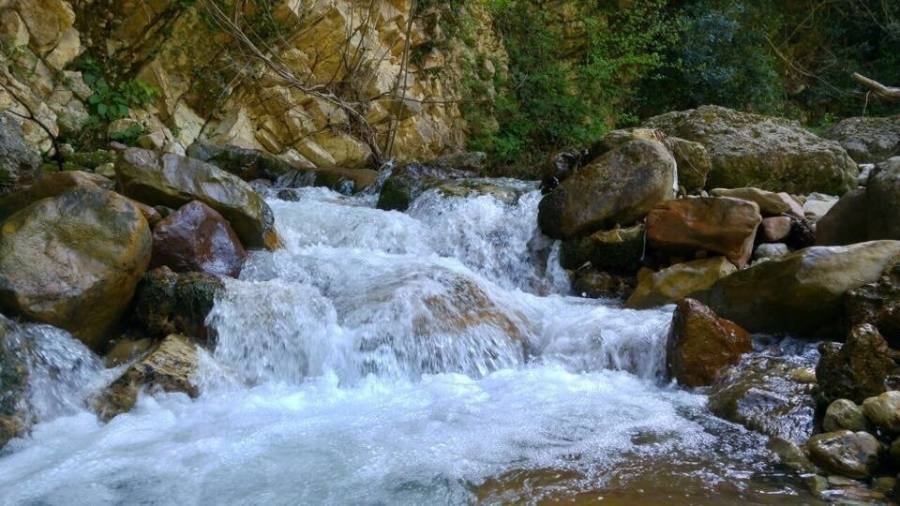
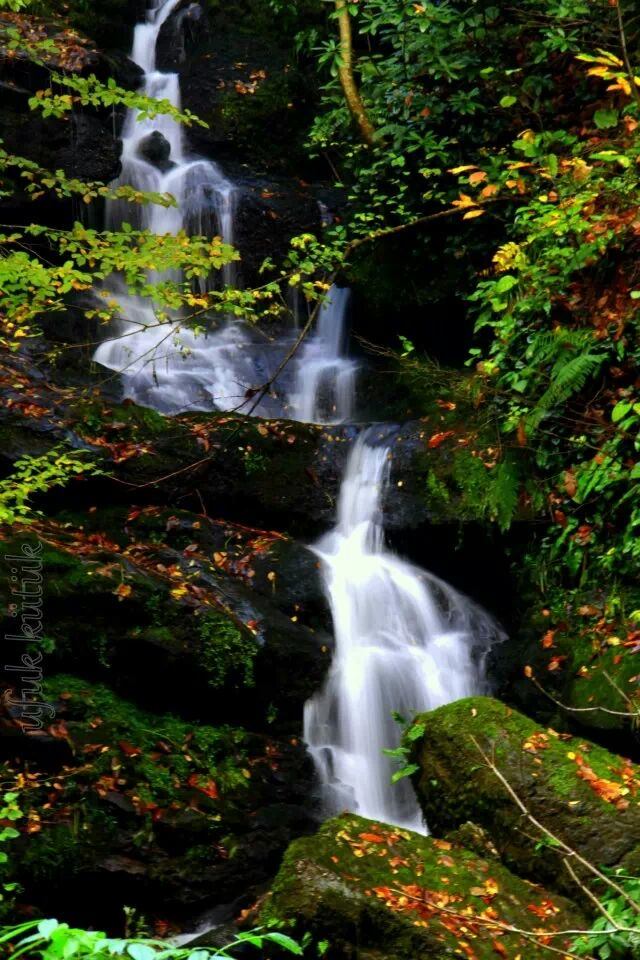
A waterfall dropping about 50 m in the forest, and a 10 km hiking trail along the stream.

A canyon declared a nature park in 2011, covered in hornbeam, oak and beech forest, with a waterfall inside.

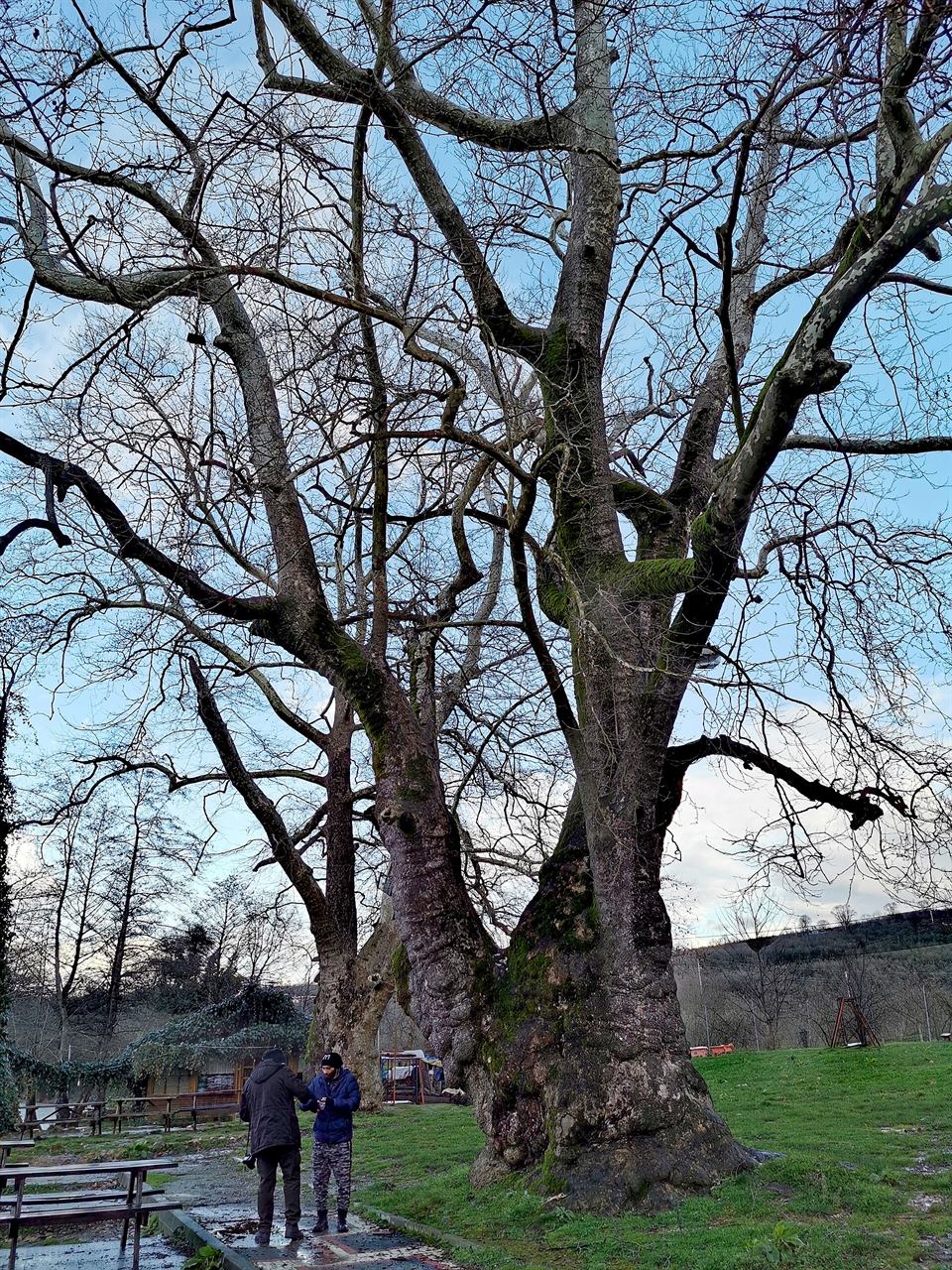
A picnic area by a stream in the shade of centuries-old monumental plane trees, with a historic mosque and tomb.

A quiet waterfall in the forest in Sarıyayla village, with a picnic area next to it.
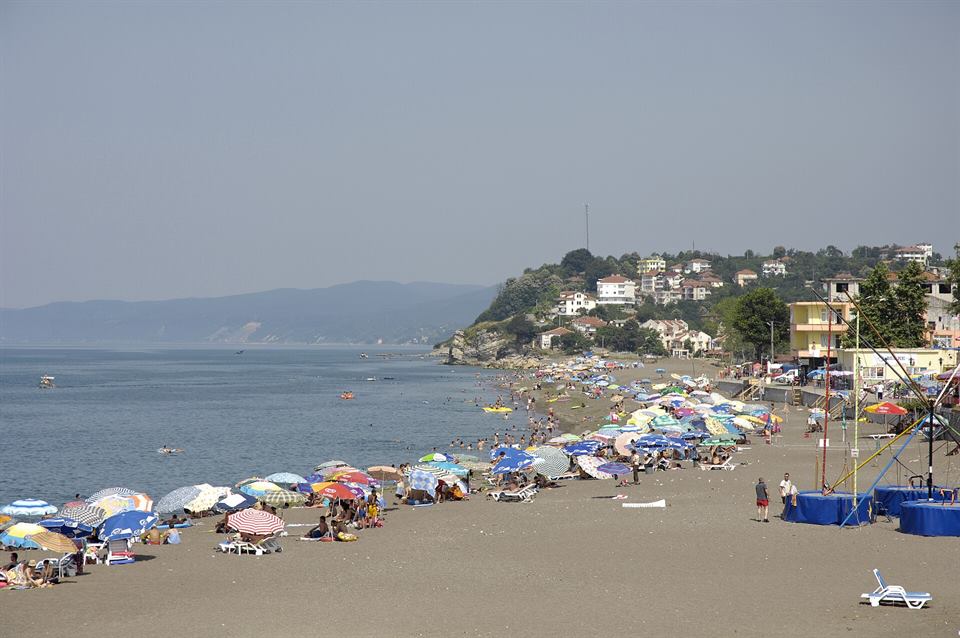
In the 1950s, young people of Akçakoca carried tourists' suitcases for free.The tourism history of Akçakoca, as told by living witnesses (Hoşca, 2023) · Photo: Ahmet KAYNARPUNAR, CC BY-SA 3.0
Beaches
In 2026 the Genoese Castle, Women's and Martı beaches received the Blue Flag. The central beaches are within walking distance; the village coves are 10–15 minutes away by car.

A sandy beach with castle views at the foot of the Genoese Castle, awarded the Blue Flag in 2026.

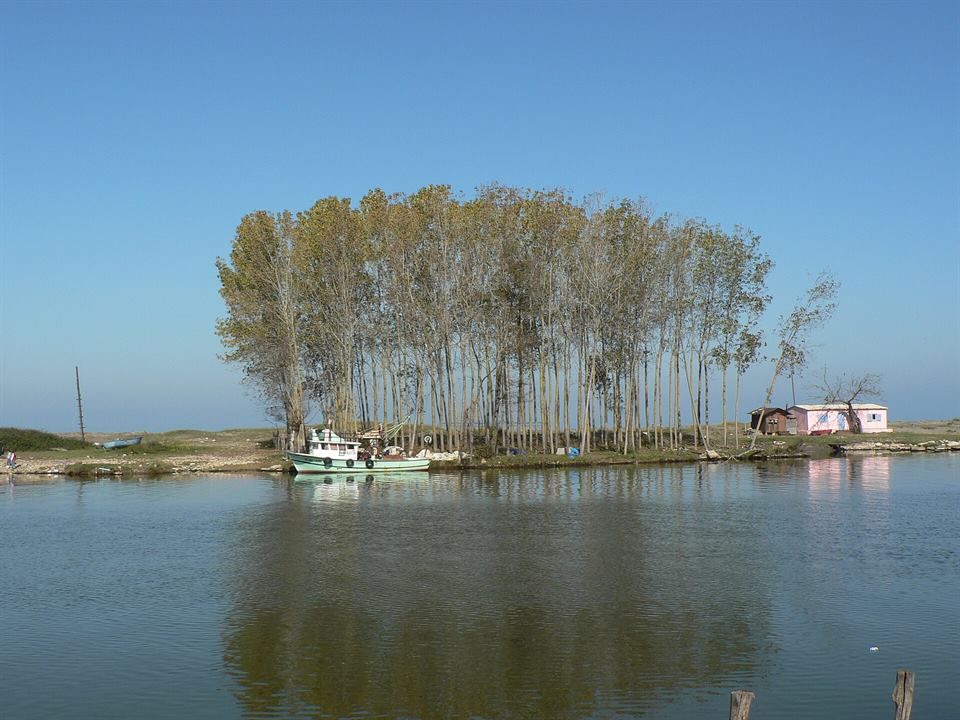
A natural beach at the district's western end, where the Melen River flows into the Black Sea.

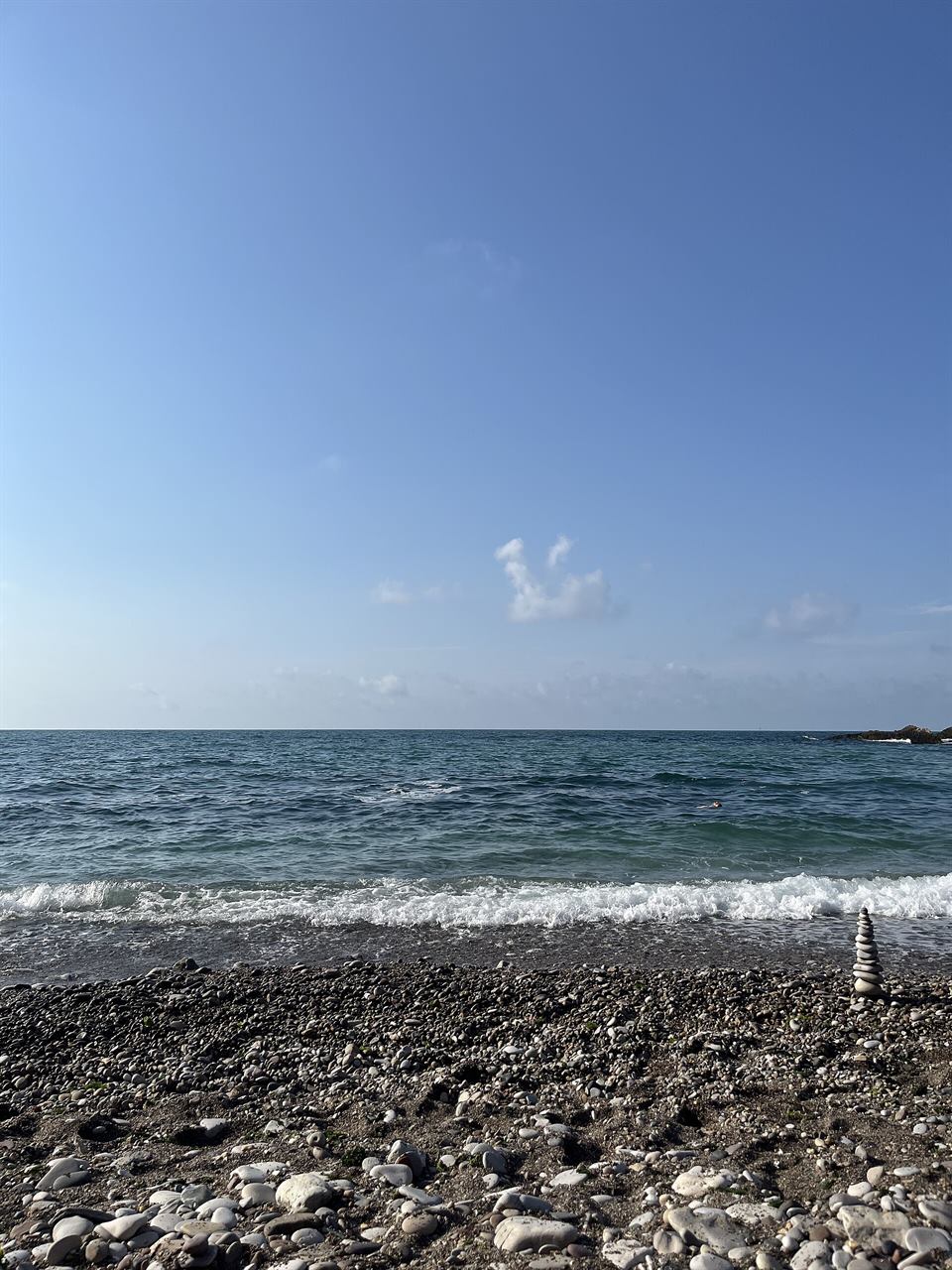
A pebble beach between the centre and the Genoese Castle; the water gets deep quickly.

From the town's sandy beaches to village coves, sorted by distance.
Routes
Ready-made routes with stops, distances and one-tap directions.
Taste
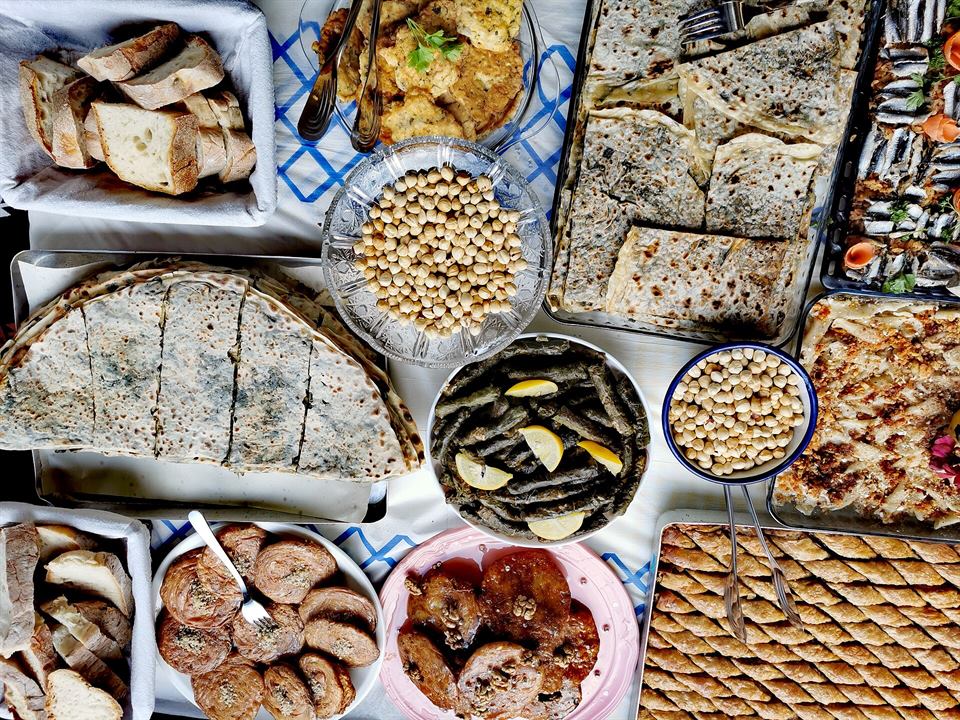
Where Manav, Circassian, Abkhaz and Black Sea cuisines meet, the town has four products with geographical indication.

A vegetarian Manav flatbread made with chard and spinach and cooked on a griddle, registered with a geographical indication.

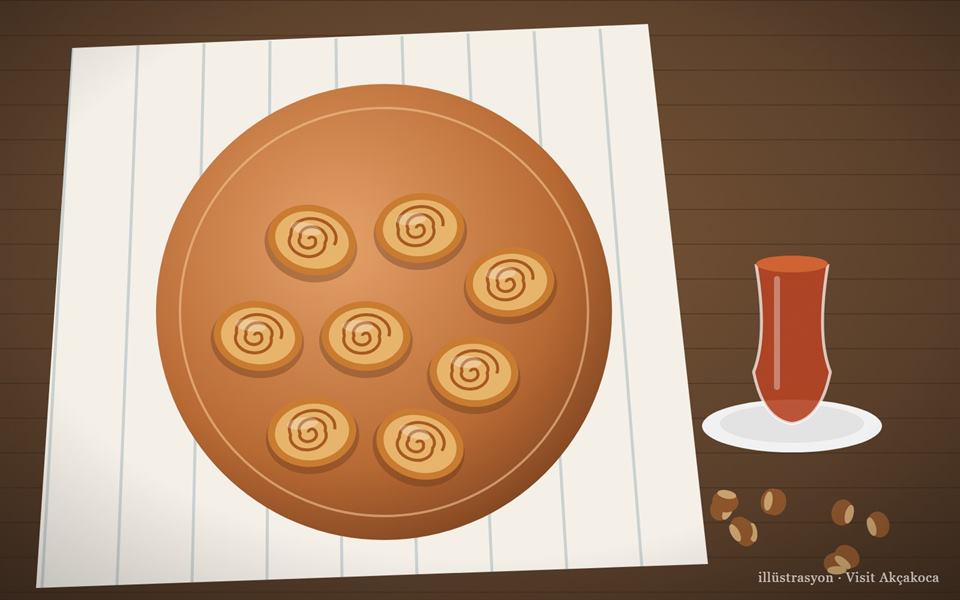
A Manav pastry with geographical indication, made with "dartı" from water-buffalo cream.

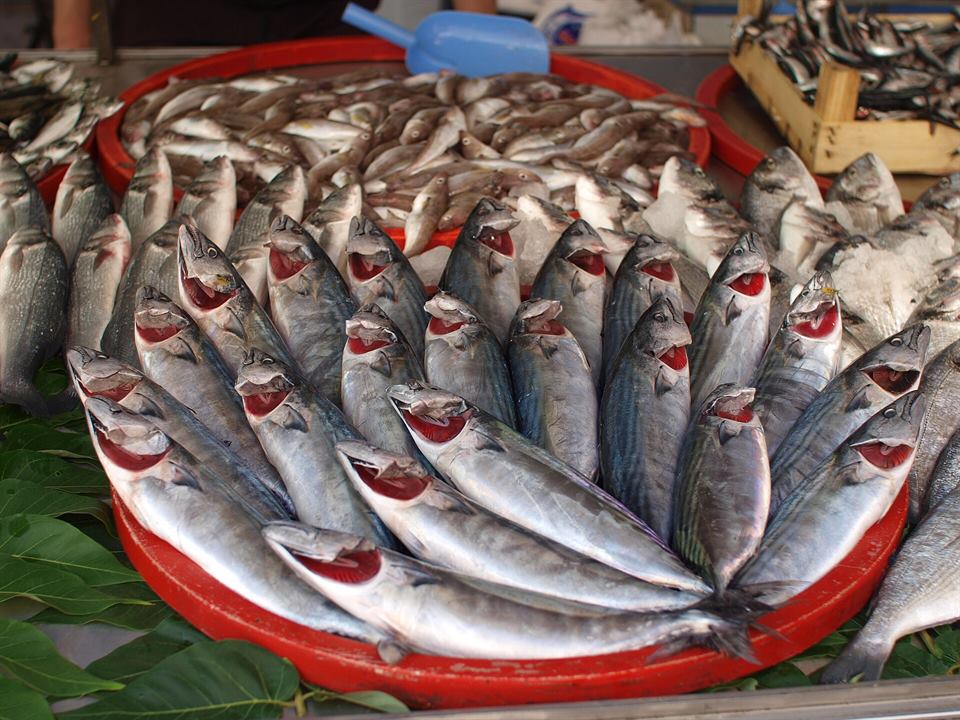
Bonito in autumn, anchovies in winter: in Akçakoca the fish changes with the season.

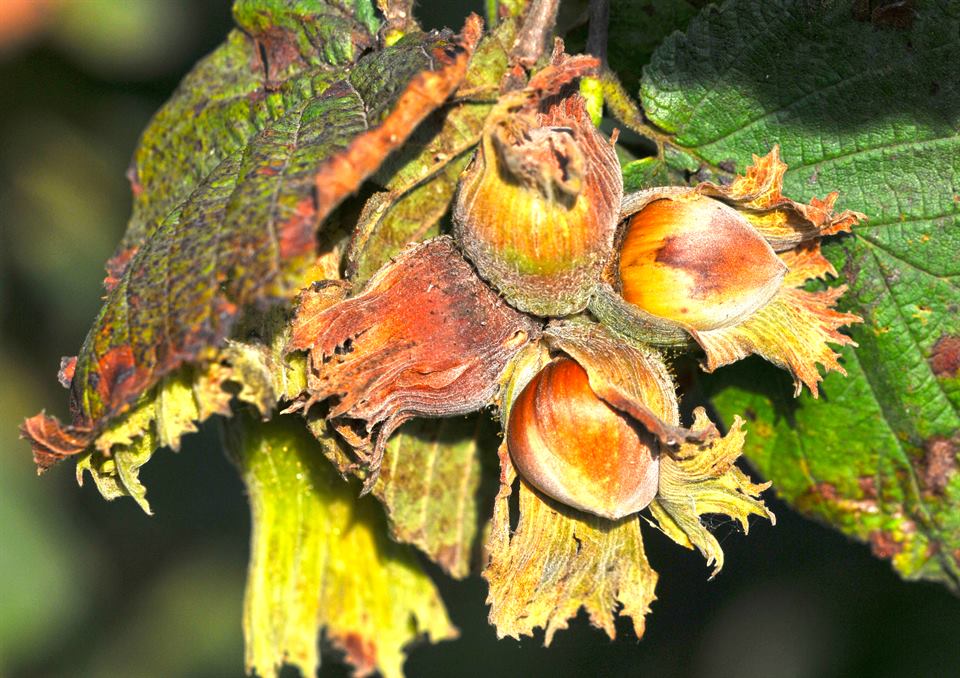
A hazelnut with a high oil content, locally called "mincane", with geographical indication since 2019.
Practical information
Plan
Akçakoca lies between Istanbul and Ankara, 37 km north of Düzce. The nearest major airport is Istanbul Sabiha Gökçen.
About 2.5–3 hours from Kadıköy. Take the TEM or D100 to the Düzce exit, then 37 km north. You can also come along the coast road (D010) via Karasu.
About 3 hours from Kızılay. Take the Anatolian Motorway to the Düzce exit, then 37 km north.
Many bus companies run direct services to Akçakoca bus station from Istanbul, Ankara and other cities. There is no train. Timetables change often, so check with the companies.
For swimming, late June to late September. Spring for the waterfalls and canyon. Hazelnut harvest in August–September, autumn colours in October–November, anchovies in winter.
In summer municipal buses run frequently on the Ayazlı, Değirmenağzı and Ceneviz routes. Public transport to villages and waterfalls is scarce; you need a car or taxi.
Hotels and apartments in the town centre and along the coast; guesthouses, bungalows and campsites on the Karaburun–Melenağzı stretch. Book early for July–August and the festival period.